When it comes to liver health, choosing the right specialist plays a crucial role in accurate diagnosis and effective treatment. Dr Aswin Krishna is known for his expertise in managing a wide range of liver-related conditions with a patient-centric approach. With a strong focus on advanced diagnostics and personalized care, he ensures timely intervention and better health outcomes. Whether it is preventive care, evaluation, or specialized treatment, his guidance supports patients throughout their liver health journey.
Meet Dr. Aswin Krishna – Expert in Liver Care

Dr. Aswin Krishna
- Qualification: MBBS, MD (General Medicine), DM (Hepatology)
- Experience: 12+ Years
Dr. Aswin Krishna, recognized as the Hepatologist in India, is a Consultant in Hepatology and Gastroenterology. Leading Tamil Nadu’s prominent liver surgery unit, he brings unmatched expertise to liver and gastroenterological care. With an MBBS from Kanyakumari Government Medical College and advanced training at Madras Medical College, he completed his DM in Hepatology. Dr. Krishna’s dedication extends to his fellowship in Liver Transplantation at Rela Hospitals, Chennai.
Key Highlights of Expertise and Clinical Approach
- Advanced Hepatology Expertise with Liver Transplant Experience: With extensive experience in managing complex liver conditions, the focus is on delivering advanced hepatology care backed by clinical expertise. Special attention is given to patients who may require liver transplant evaluation and management. This ensures accurate assessment, timely referral, and coordinated care throughout the treatment journey.
- Precision Diagnosis with Evidence-Based Treatment Approach: Accurate diagnosis is achieved through a combination of detailed clinical evaluation and modern diagnostic tools. Evidence-based treatment plans are tailored to each patient’s condition, ensuring safe and effective outcomes. This approach minimizes uncertainty and supports targeted management of liver disorders.
- Comprehensive Care for Complex and Chronic Liver Diseases: Patients with chronic liver conditions such as cirrhosis, hepatitis, or fatty liver receive holistic and continuous care. Management includes monitoring disease progression, preventing complications, and adjusting treatment as needed. The goal is to improve quality of life while slowing disease advancement.
- Patient-Focused Treatment with Long-Term Liver Health Monitoring: Treatment is designed around the individual needs of each patient, ensuring comfort, clarity, and consistency in care. Regular follow-ups and long-term monitoring help track liver health and detect any changes early. This patient-centric approach supports sustained recovery and better long-term outcomes.
Signs & Symptoms of Liver Disease
Early liver disease symptoms are often mild and easily overlooked. Recognizing these warning signs early can help prevent serious liver complications and support timely treatment.
- Jaundice and Skin Changes: Yellowing of the skin and eyes may indicate the liver is not processing bilirubin properly. Skin itching, dark urine, and pale stools can also signal underlying liver dysfunction.
- Abdominal Pain and Swelling: Pain, heaviness, or swelling in the upper abdomen may occur due to liver inflammation or fluid buildup. Persistent bloating should always be medically evaluated.
- Persistent Fatigue and Weakness: Ongoing tiredness, low energy, and muscle weakness are common symptoms of liver disorders. Reduced liver function can significantly affect overall physical stamina.
- Digestive Problems and Loss of Appetite: Liver disease may cause nausea, indigestion, bloating, and discomfort after meals. Many patients also experience reduced appetite and difficulty maintaining proper nutrition.
- Unexplained Weight Loss and Muscle Loss: Unexpected weight reduction and muscle weakness can occur in chronic liver disease. These symptoms may indicate poor nutrient absorption and advanced liver damage.
- Swelling in Legs, Ankles, or Fluid Retention: Fluid retention in the legs and ankles may develop when liver function declines. Swelling that persists or worsens over time requires proper medical assessment.
Common Liver Diseases Treated
Liver diseases can affect digestion, metabolism, immunity, and overall health when left untreated. Early diagnosis and proper medical care help prevent complications and improve long-term liver function.
- Fatty Liver Disease: Fat accumulation in the liver is commonly linked to obesity, diabetes, and unhealthy lifestyle habits. Early treatment and lifestyle correction help prevent progression to liver damage or cirrhosis.
- Hepatitis B & Hepatitis C: These viral infections may lead to ongoing liver inflammation and gradually affect normal liver function over time. Timely antiviral treatment and regular monitoring help reduce serious complications.
- Liver Cirrhosis: Cirrhosis develops when healthy liver tissue is replaced with scar tissue over time. Proper medical care helps manage symptoms and slow disease progression.
- Alcohol-Related Liver Disease: Excessive alcohol consumption can gradually damage liver cells and impair liver function. Early intervention and alcohol cessation play an important role in recovery.
- Liver Failure: Liver failure occurs when the liver loses its ability to perform essential body functions. Immediate specialist care is necessary to manage complications and support recovery.
- Liver Cancer: Liver cancer often develops in patients with chronic liver disease or cirrhosis. Early diagnosis improves treatment options and overall patient outcomes.
- Autoimmune Liver Disorders These conditions occur when the immune system attacks healthy liver tissue. Accurate diagnosis and long-term treatment help control inflammation and protect liver function.
When to Consult a Hepatologist
Knowing when to seek expert care can prevent complications and improve outcomes.
- Prolonged Jaundice or Irregular Liver Function Tests: Yellowing of the eyes or abnormal liver test results should not be ignored. These may indicate underlying liver issues that require prompt evaluation. Early diagnosis helps prevent complications and guides appropriate treatment.
- Fatty Liver Condition or Chronic Risk Factors: People with diabetes, obesity, or high cholesterol are at higher risk of liver problems. Regular monitoring of liver health is important in such cases. Timely lifestyle changes and medical guidance can help prevent progression.
- Persistent Symptoms Such as Abdominal Bloating or Severe Fatigue: Ongoing bloating, unexplained tiredness, or loss of appetite may signal liver dysfunction. These symptoms should be assessed if they persist over time. Consulting a specialist ensures accurate diagnosis and timely management.
Liver Conditions Treated by Hepatology Specialists
Hepatologists manage both acute and chronic liver diseases using a patient-centered approach.
- Fatty Liver Conditions and Metabolic Liver Disorders: Lifestyle-related liver conditions are treated with dietary guidance, physical activity recommendations, and medical management when required.
- Management of Viral Hepatitis Infections: Antiviral therapies are prescribed based on the type and severity of infection, with regular monitoring to track progress.
- Autoimmune and Inherited Liver Disorders: Long-term medications and follow-ups help control immune response and metabolic imbalances.
- Long-Term Care for Chronic Liver Disease: Chronic conditions require continuous evaluation to prevent complications such as cirrhosis or liver failure.
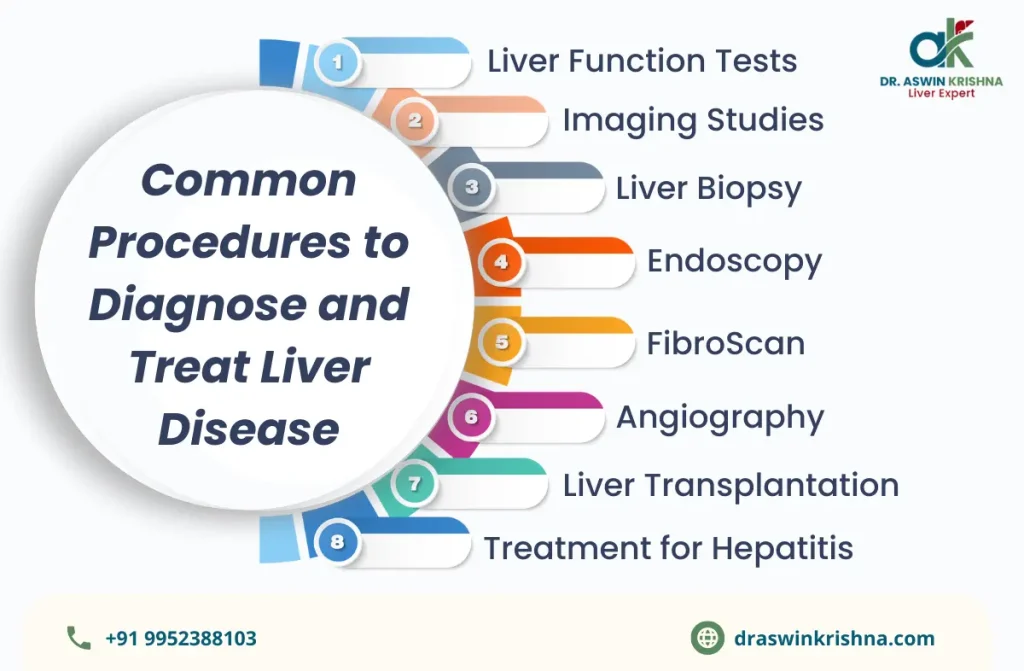
Common Procedures Performed by Hepatologists
Modern hepatology relies on advanced diagnostic tools and minimally invasive procedures to assess liver health accurately.
Advanced Liver Diagnostic Methods
- Liver Tissue Analysis: A biopsy involves taking a small sample of liver tissue for detailed examination. It helps determine the extent of liver damage and identify conditions such as inflammation, fibrosis, or cirrhosis. This is considered when more precise diagnosis is required.
- Non-Invasive Liver Stiffness Testing: FibroScan is a quick, non-invasive test that measures liver stiffness. It helps assess the level of fibrosis without surgery or biopsy. This method is widely used for monitoring chronic liver conditions.
- Imaging-Based Liver Evaluation: Imaging tests like ultrasound, CT scans, and MRI provide detailed pictures of the liver. They help detect structural changes, fatty deposits, cysts, or tumors. These tests are essential for both diagnosis and follow-up.
- Biliary Function Assessment: This test evaluates how well the bile ducts and gallbladder are functioning. It helps identify blockages, inflammation, or bile flow issues. Proper bile function is important for digestion and liver health.
- Comprehensive Liver Blood Work: Liver function tests (LFTs) measure enzymes, proteins, and bilirubin levels in the blood. They provide an overview of how well the liver is working. These tests are commonly used for screening, diagnosis, and monitoring treatment progress.
Interventional Endoscopic Techniques
These procedures allow direct visualization and treatment of internal digestive and biliary systems.
- ERCP for Bile and Pancreatic Duct Disorders: ERCP is a specialized procedure used to identify and treat blockages in the bile and pancreatic ducts. It helps remove stones, relieve obstructions, and improve the flow of digestive fluids. This technique combines endoscopy with imaging for both diagnosis and treatment.
- Upper Gastrointestinal Endoscopy: Upper GI endoscopy (EGD) allows direct visualization of the esophagus, stomach, and upper part of the small intestine. It is commonly used to detect conditions like ulcers, inflammation, or varices. The procedure helps in early diagnosis and guided treatment of digestive issues.
- Endoscopic Ultrasound Imaging: Endoscopic ultrasound (EUS) combines endoscopy with ultrasound to provide detailed images of the digestive tract and nearby organs. It is especially useful for evaluating the liver, pancreas, and surrounding tissues. EUS helps in detecting abnormalities that may not be visible with standard imaging.
- Endoscopic Treatment for Varices: This procedure is used to treat enlarged veins (varices) in the esophagus caused by liver disease. It helps prevent serious complications such as bleeding. Treatments like banding or injection therapy are performed to reduce the risk and manage the condition effectively.
Why Patients Choose Dr. Aswin Krishna
Choosing the right hepatologist is important for accurate diagnosis, effective treatment, and long-term liver health management. Patients trust Dr. Aswin Krishna for his patient-focused approach, advanced liver care expertise, and commitment to personalized treatment.
- Expertise in Advanced Liver Care: Patients seeking a hepatologist in india value experience and evidence-based treatment. Dr. Aswin Krishna manages various liver conditions with advanced and updated medical care approaches.
- Personalized Patient-Centered Treatment: Every liver condition requires individualized attention based on lifestyle, medical history, and overall health. Treatment plans are designed to support both symptom relief and long-term liver wellness.
- Experience in Liver Transplant Management: Advanced liver disease patients often require careful transplant evaluation and long-term monitoring. Comprehensive guidance helps patients and families make informed treatment decisions confidently.
- Accurate Diagnosis with Modern Technology: Advanced investigations and modern diagnostic tools help identify liver disease at earlier stages. Patients searching for the liver specialist in india often prioritize accurate diagnosis for better treatment outcomes.
Conclusion
The journey to finding the right hepatologist is essential for maintaining optimal liver health. Dr Aswin Krishna is among the specialists known for providing comprehensive liver care with a focus on accurate diagnosis and personalized treatment. With access to advanced medical approaches and patient-centered guidance, patients can effectively manage liver conditions and prioritize preventive care. Consulting an experienced hepatologist like him can make a meaningful difference in achieving better long-term liver health.
Read also Fatty Liver Specialist in Chennai.