

Liver health, Hepatitis B stands as a formidable adversary, demanding our attention and understanding. As a viral infection that attacks the liver and can lead to both acute and chronic diseases, Hepatitis B has become a global health concern. This blog post aims to shed light on this often-misunderstood condition, exploring its causes, symptoms, and the Best Treatment for Hepatitis B in Chennai for those affected.
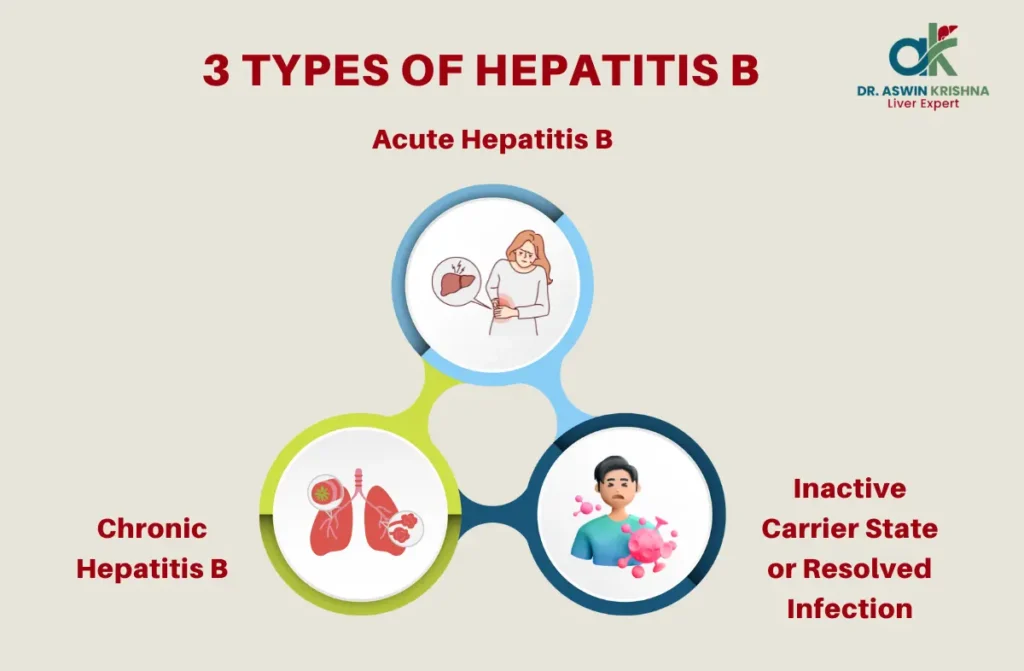
Types of Hepatitis B
- Acute Hepatitis B Infection: This is the early phase of infection, usually within the first 6 months. In many adults, the immune system clears the virus naturally without long-term effects. Symptoms, if present, are often mild like fatigue or low-grade fever. Most cases only need supportive care such as rest, fluids, and regular liver monitoring.
- Long-Term (Chronic) Hepatitis B Condition: When the virus stays in the body beyond 6 months, it becomes chronic and needs careful medical attention. This condition can slowly damage the liver without obvious symptoms in the beginning. Treatment focuses on controlling the virus and preventing complications like cirrhosis or liver cancer. Long-term follow-up plays a major role in maintaining liver health.
- Asymptomatic Carrier State of Hepatitis B: In this stage, a person carries the virus but feels completely normal with no visible symptoms. Even though it seems harmless, the virus can still affect the liver over time. There is also a risk of transmitting it to others unknowingly. Regular check-ups help ensure the condition remains stable without progression.
- HBeAg-Negative Variant of Hepatitis B: This is a more complex form where the virus remains active despite negative routine markers. It can quietly cause liver inflammation, making diagnosis slightly tricky. Patients often require closer monitoring and sometimes long-term antiviral therapy. Early identification by a specialist helps prevent silent liver damage.
Hepatitis B Symptoms
Hepatitis B can manifest in two phases: acute and chronic. The symptoms often vary depending on the stage of the infection. During the acute phase, symptoms may be mild or absent, making early detection difficult. However, when symptoms do appear, they typically include:
- Jaundice (Yellowing of Skin and Eyes): One of the most noticeable signs of Hepatitis B is yellowing of the eyes and skin. This occurs when the liver is unable to effectively break down and clear bilirubin from the body. It often indicates that the liver is under stress. If you notice this, it’s important to seek medical evaluation early.
- Fatigue and Weakness: Persistent tiredness is very common in people with Hepatitis B. You may continue to feel tired and lack energy throughout the day, even after getting enough rest. This happens because the liver plays a key role in energy production. Ongoing fatigue should not be ignored, especially if it lasts for weeks.
- Abdominal Pain and Discomfort: Pain or discomfort is usually felt on the right side of the abdomen where the liver is located. It may feel like a dull ache or heaviness rather than sharp pain. This symptom can come and go but may gradually increase. It often signals inflammation or liver enlargement.
- Nausea, Vomiting, and Loss of Appetite: Digestive symptoms are quite common in Hepatitis B. You may feel nauseous, lose interest in food, or even experience occasional vomiting. These issues occur because the liver affects digestion and metabolism. If appetite drops significantly, it can lead to weight loss over time.
- Joint Pain and Muscle Aches: Some people experience body aches similar to a viral infection. Joint pain and muscle discomfort can feel mild to moderate but persistent. This is due to the body’s immune response to the virus. It may sometimes be mistaken for flu or general fatigue.
- Mild Flu-like Symptoms:Early Hepatitis B can mimic a simple viral illness. Symptoms like low-grade fever, headache, and general weakness are common. Because of this, many people ignore it in the beginning. If these symptoms last longer than usual, further evaluation is recommended.
In the chronic stage, Hepatitis B can cause long-term liver damage without prominent symptoms. It’s crucial to monitor liver health regularly to detect any complications early. Early diagnosis and management through the Best Hepatitis B Treatment in Chennai can help prevent the progression of liver disease.
Stages of Hepatitis B
- Acute Stage: This is the earliest phase right after the virus enters the body. The immune system actively tries to fight off the infection during this time. Some people may experience mild symptoms, while others feel completely normal. In many cases, the body clears the virus without causing long-term liver damage.
- Immune Tolerant Stage: This stage is commonly seen in younger individuals who acquired the infection early in life. The virus is present in high levels, but the immune system does not react strongly. As a result, there is little to no liver damage despite active viral replication. Doctors usually monitor closely rather than starting immediate treatment.
- Immune Active Stage: This is a crucial stage where the immune system begins attacking infected liver cells. This response can lead to liver inflammation and gradual damage if not controlled. Symptoms may start becoming noticeable during this phase. Treatment is often recommended here to reduce viral activity and protect the liver.
- Inactive Carrier Stage: At this point, the virus becomes less active, and liver inflammation settles down. Most patients feel normal and may not have any symptoms at all. However, the virus still remains in the body in a controlled state. Regular follow-ups are important to ensure it does not become active again.
- Reactivation Stage: In some cases, the virus can become active again after staying quiet for years. This reactivation may be triggered by weak immunity, stress, or other health conditions. It can lead to renewed liver inflammation and potential damage. Timely medical care is essential to control the infection and prevent complications.
Best Treatment for Hepatitis B in Chennai
Discover the best treatment for Hepatitis B in Chennai, where advanced medical interventions, including liver transplantation, provide hope for those with severe complications. Dr. Aswin Krishna, a leading hepatologist, ensures comprehensive care, offering expertise and compassion for optimal outcomes in the management of Hepatitis B at Apollo Hospital.
Hepatitis B, a viral infection affecting the liver, spreads through multiple routes, necessitating vigilant preventive measures and effective management. The best treatment for Hepatitis B in Chennai involves comprehensive care that addresses the varied transmission risks.
Transmission Methods
- Unprotected Sexual Contact: The virus is commonly transmitted through semen and vaginal fluids during unprotected sex.
- High-Risk Behaviors: Men who have sex with men and those engaging with commercial sex workers are at a higher risk.
- Blood Products: The use of contaminated, unscreened blood products is a significant risk factor.
- Saliva Exposure: Sharing personal items like toothbrushes can lead to transmission.
- Vertical Transmission: Infected mothers can pass the virus to their children during birth.
- Invasive Procedures: Medical and dental procedures without proper sterilization can facilitate the spread.
- Injection Drug Use: Sharing needles is a prevalent transmission route among drug users.
- Body Modifications: Tattooing and piercing with unsterilized equipment can transmit the virus.
- Sexual Assault: Victims of sexual assault are at risk of contracting Hepatitis B.
In Chennai, recognizing these transmission pathways is vital for implementing effective strategies to curb the spread of best treatment for hepatitis B in Chennai. The city’s healthcare facilities offer advanced treatments, including antiviral medication, liver function monitoring, and education on preventive practices, to manage and reduce the impact of the disease.
Holistic Approaches to Treatment
The best treatment for hepatitis B in Chennai adopts a holistic approach, addressing not only the symptoms but also the overall well-being of the patient. Treatment plans often include antiviral medications to control the virus, along with lifestyle modifications and dietary recommendations. Regular monitoring is crucial to track the progress and ensure the effectiveness of the chosen treatment.
Hepatitis B Treatment Options
In the pursuit of an effective best doctor for hepatitis B in Chennai, various options are available. The choice of best treatment for hepatitis B in Chennai depends on factors such as the stage of the infection, the patient’s overall health, and the presence of other medical conditions. Antiviral medications, such as entecavir and tenofovir, are commonly prescribed to control viral replication and reduce liver inflammation. Interferon injections may also be recommended in certain cases.
Surgical Interventions
In advanced cases, when the liver is significantly damaged, surgical interventions may be considered. Liver transplantation, a procedure where a damaged liver is replaced with a healthy one from a donor, is a viable option for those with end-stage liver disease. Chennai’s medical facilities excel in performing such intricate procedures, offering a ray of hope for patients facing severe Hepatitis B complications. Trust in the best treatment for hepatitis B in Chennai, where advanced medical expertise meets compassionate care for optimal outcomes.
Hepatitis B Prevention
Hepatitis B, caused by the hepatitis B virus (HBV), can lead to serious liver complications. Prevention is crucial and can be effectively achieved through vaccination, safe practices, and education.
Vaccination
The hepatitis B vaccine is highly effective and recommended for:
- All infants: Ensuring early protection.
- Unvaccinated children: Catch-up vaccinations to protect against HBV.
- High-risk adults: Including healthcare workers, individuals with multiple sexual partners, and those with chronic liver disease.
Safe Practices
- Avoid sharing needles, razors, and toothbrushes: Reduces the risk of blood-to-blood transmission.
- Use sterile equipment for tattoos, piercings, and medical procedures: Prevents HBV infection from contaminated instruments.
- Practice safe sex by using condoms: Minimizes the risk of sexual transmission.
Awareness and Education
- Educate the public about transmission modes and the importance of vaccination: Enhances community understanding and proactive health measures.
- Promote regular screening for high-risk groups like healthcare workers: Early detection and management of HBV.
Lifestyle Recommendations
- Maintain a balanced diet rich in fruits, vegetables, and whole grains: Supports overall liver health.
- Avoid excessive alcohol and processed foods: Reduces liver strain and potential damage.
- Engage in regular physical activity: Promotes general well-being and liver function.
These measures collectively help in preventing hepatitis B and safeguarding public health. By combining vaccination, safe practices, and education, we can significantly reduce the incidence of HBV and protect individuals from severe liver complications.
Supportive Care and Beyond
When dealing with Hepatitis B, the treatment journey is not just about suppressing the virus—it’s about managing health over the long term with the right medical partner. Dr. Aswin Krishna, a leading hepatitis B specialist doctor in Chennai, is known for offering a structured, empathetic, and well-informed approach to Hepatitis B care. His method is rooted in medical precision, but it extends to lifestyle support, mental well-being, and continuous monitoring, making him one of the best doctors for hepatitis B in Chennai.
His clinic sees a growing number of working professionals under 30, who appreciate the clarity and depth in his treatment plans. Rather than a one-size-fits-all model, Dr. Aswin personalizes each plan based on the patient’s viral status, immunity, and overall health goals.
Key Aspects of Dr. Aswin Krishna’s Hepatitis B Treatment Approach:
- Personalized antiviral therapy guided by viral load, liver enzymes, and fibrosis levels
- Regular monitoring every 3 to 6 months to track liver health and adjust treatment
- Dietary and lifestyle counseling tailored for younger professionals with active schedules
- Vaccination guidance for families to prevent further transmission
- Mental health support integrated into treatment, especially for newly diagnosed patients
- Evidence-based practices that align with global Hepatitis B treatment protocols
With a combination of science, empathy, and structure, Dr. Aswin helps patients live confidently with Hepatitis B.
Complications
- Liver Cirrhosis
- Liver cancer
- Liver failure
For effective management, seeking the best treatment for Hepatitis B in Chennai is crucial. Specialized healthcare providers can offer tailored solutions for a comprehensive approach to Hepatitis B care.
Risk Factors of Hepatitis B
Key risk factors for Hepatitis B include:
- Unprotected Sex: Exposure to infected bodily fluids during sexual activity.
- Mother-to-Child Transmission: Transmission during childbirth or breastfeeding.
- Needle Sharing: Sharing contaminated needles or drug paraphernalia.
- Healthcare Procedures: Inadequate infection control in medical settings.
- Household Exposure: Living with an infected person, and sharing personal items.
- Occupational Exposure: Healthcare workers handling blood or bodily fluids.
- Multiple Partners: Having multiple sexual partners increases exposure risk.
- Travel to Endemic Areas: Regions with high Hepatitis B prevalence.
- HIV Co-infection: Increased susceptibility for those with HIV.
- Injectable Drug Use: Especially when sharing needles or equipment.
Hepatitis B Diagnosis
Early diagnosis is essential for effective treatment. In Chennai, specialized healthcare centers provide comprehensive diagnostic services to detect Hepatitis B infection. Diagnosis typically involves a series of blood tests to check for the presence of the virus and assess liver function. The key diagnostic tests include:
- Hepatitis B Surface Antigen (HBsAg): Detects the presence of the Hepatitis B virus in the blood. A positive result means the person is infected.
- Hepatitis B Surface Antibody (Anti-HBs): Indicates whether an individual has developed immunity against Hepatitis B, either from vaccination or previous infection.
- Hepatitis B Core Antibody (Anti-HBc): Confirms a previous or ongoing infection. It helps to differentiate between active infection and immunity from vaccination.
- Liver Function Tests: Measures liver enzymes and helps assess the extent of liver damage caused by the virus.
- Hepatitis B Viral DNA Test (HBV DNA): Measures the viral load in the blood, helping hepatitis B specialist doctor in Chennai determine how active the infection is.
Accurate diagnosis allows healthcare professionals to tailor the best treatment for hepatitis B in Chennai, which may involve antiviral medications to control the virus and prevent liver damage.
Screening for Hepatitis B
- Blood Tests: Includes HBsAg, anti-HBs, and anti-HBc tests to identify infection status.
- Liver Function Tests: Evaluate the health and performance of the liver.
- HBV DNA Quantification: Measures viral load in the bloodstream.
- Liver Biopsy/Fibroscan: Evaluates liver damage and fibrosis.
- Serologic Markers: Distinguish between acute and chronic infections.
- Vaccination History: Checks for prior immunization.
- Family History: Assesses potential risk factors.
- Follow-Up: Regular monitoring for at-risk individuals.
Testing for Hepatitis B
Routine testing is vital, especially for individuals at higher risk of contracting Hepatitis B. Risk factors include unprotected sexual contact, sharing needles, exposure to infected blood, and vertical transmission from mother to child during childbirth.
Testing methods include:
- Blood Tests: The primary method for detecting Hepatitis B. Blood samples are tested for viral markers such as HBsAg and HBV DNA.
- Liver Ultrasound: This imaging test helps assess the extent of liver damage and can detect signs of cirrhosis or liver cancer.
- FibroScan: A non-invasive test that measures liver stiffness, indicating the level of fibrosis (scarring) in the liver caused by chronic Hepatitis B.
- Liver Biopsy: In some cases, best doctor for hepatitis B in Chennai may recommend a biopsy to determine the severity of liver damage. A small sample of liver tissue is examined under a microscope.
By undergoing these tests, patients can receive early diagnosis and access the Best Hepatitis B Treatment in Chennai, preventing further complications.
Vaccination for Hepatitis B
Vaccination remains the most effective way to prevent hepatitis B specialist doctor in Chennai. The vaccine is highly recommended for individuals who are at high risk of exposure to the virus, including healthcare workers, individuals with chronic liver disease, and newborns. The vaccine is given in three or four doses over six months, and it provides long-lasting protection for most individuals.
Key facts about the Hepatitis B vaccine include:
- Infants: The first dose is typically administered within 24 hours of birth, followed by additional doses as per the immunization schedule.
- Children and Adolescents: Any child who has not received the Hepatitis B vaccine should complete the series.
- Adults: Unvaccinated adults, especially those at high risk, should receive the vaccine to protect against infection.
The availability of the Hepatitis B vaccine in Chennai hospitals ensures that individuals can protect themselves and their families from this serious infection. In addition to prevention, these hospitals provide comprehensive care and the Best Hepatitis B Treatment in Chennai for those already infected.
Conclusion
Liver health is of paramount importance, particularly in the context of conditions such as Hepatitis B, which demands our unwavering attention. Chennai, renowned for its advanced medical facilities and expert practitioners, stands as a beacon of hope for those grappling with this viral menace. Seeking the Best Treatment for Hepatitis B in Chennai is a crucial step toward managing Hepatitis B effectively.
Read also Liver Transplant Doctors in Chennai.


