
It rarely feels serious at the beginning—what starts as occasional drinking can quietly turn into a daily habit, putting stress on the liver. Since the liver doesn’t show early warning signs, damage often builds up unnoticed until it affects daily life. In a fast-paced city like Chennai, alcohol-related liver issues are becoming increasingly common. The good news is that early diagnosis and the right Alcoholic Liver Treatment in Chennai can help control, slow, or even reverse the damage in certain stages. This guide helps you understand the warning signs and what to do next.
Early Signs of Liver Damage
Liver damage often begins silently, with mild symptoms that are easy to overlook. Since the liver doesn’t show obvious warning signs early, recognizing these subtle changes is important for timely diagnosis.
- Constant Fatigue: Feeling tired even after enough rest may indicate reduced liver efficiency.
- Loss of Appetite or Nausea: A decreased desire to eat or mild nausea can signal early liver stress.
- Abdominal Discomfort: Bloating or pain in the upper abdomen may reflect liver inflammation.
- Unexplained Weight Loss: Losing weight without effort can be linked to poor liver function.
- Weakness or Low Energy: Persistent low energy levels can result from impaired liver metabolism.
These symptoms are often mistaken for minor issues like stress or digestive problems. However, early detection through routine tests can help prevent serious liver complications and support effective treatment.
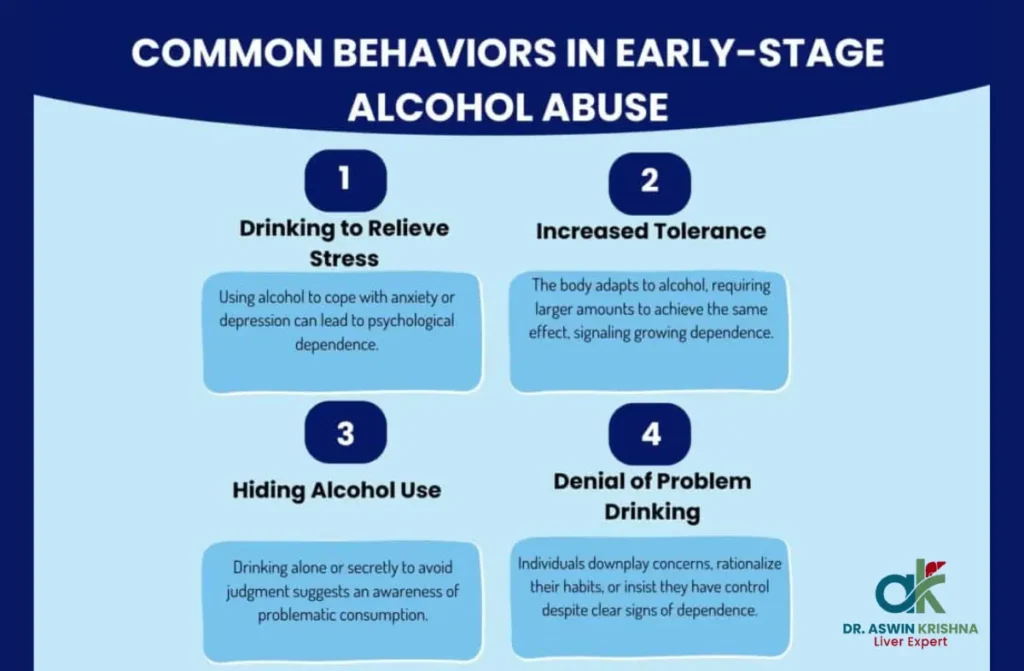
Common Alcoholic Liver Diseases
- Fatty Liver (Alcoholic Steatosis): This is the earliest and most common stage of alcohol-related liver damage, where fat begins to accumulate inside liver cells. At this point, many people may not notice any symptoms. The positive side is that it is often reversible if alcohol intake is stopped early and healthy lifestyle changes are followed.
- Alcoholic Hepatitis: In this stage, the liver becomes inflamed due to continuous alcohol exposure. Patients may start experiencing symptoms like abdominal pain, fever, fatigue, and yellowing of the skin (jaundice). If ignored, the condition can quickly worsen and lead to serious complications.
- Liver Cirrhosis: This is the most advanced stage, where healthy liver tissue is replaced by permanent scar tissue. As a result, the liver struggles to perform its normal functions, affecting overall health. Cirrhosis requires intensive medical care and long-term management to prevent life-threatening complications.
Causes of Liver Diseases
- Infections: Viral infections, including Hepatitis A, B, and C.
- Autoimmune Conditions: Autoimmune hepatitis where the immune system attacks liver cells.
- Genetics: Hereditary conditions like hemochromatosis (iron buildup) and Wilson’s disease (copper accumulation).
- Fat Accumulation: Non-alcoholic fatty liver disease (NAFLD) linked to obesity and diabetes.
- Chronic Alcohol Abuse: Excessive alcohol consumption leads to fatty liver, alcoholic hepatitis, and cirrhosis.
- Certain Medications: Medications and toxins that cause liver toxicity, such as large doses of acetaminophen and exposure to industrial chemicals.
Risk Factors for Liver Diseases
Liver diseases can be triggered by a variety of risk factors, many of which are lifestyle-related or genetic. Recognizing these risk factors is crucial for prevention and early intervention.
- Chronic Alcohol Abuse: Prolonged heavy drinking can lead to alcoholic liver disease, which includes conditions such as fatty liver, hepatitis, and cirrhosis.
- Body Piercing or Tattoo with Non-Sterile Needles: Using non-sterile needles increases the risk of infections such as Hepatitis B and C.
- Type 2 Diabetes: This metabolic condition is often associated with non-alcoholic fatty liver disease (NAFLD), where excess fat builds up in the liver.
- Family History and Genetics: Genetic predisposition plays a significant role in conditions like hemochromatosis and Wilson’s disease.
- Unprotected Sex (Hepatitis B): Hepatitis B can be transmitted through unprotected sexual contact, leading to chronic liver infection.
- Obesity: Excess body weight is a major risk factor for NAFLD and non-alcoholic steatohepatitis (NASH), which can progress to cirrhosis and liver cancer.
- Shared Needles During Drug Abuse: Sharing needles can spread viruses such as Hepatitis B and C, which directly affect liver health.
- Exposure to Other People’s Blood or Body Fluids: Healthcare workers and others exposed to blood are at risk for viral hepatitis.
- Certain Chemicals or Toxins: Exposure to industrial chemicals, pesticides, and certain medications can cause toxic liver damage.
Signs and Symptoms of Liver Diseases
Liver diseases often progress silently with few symptoms in the early stages. However, as the disease advances, several signs and symptoms can manifest.
- Yellowish Skin and Eyes (Jaundice): This occurs due to the buildup of bilirubin, a yellow pigment produced by the breakdown of red blood cells.
- Leg and Ankle Swelling: Fluid retention, known as edema, is common in liver disease due to the liver’s reduced ability to produce proteins like albumin.
- Pain and Swelling in the Abdomen: An enlarged liver or spleen can cause discomfort and swelling.
- Dark Urine: Dark-colored urine is often a sign of jaundice and indicates elevated bilirubin levels.
- Itchy Skin: Accumulation of bile products in the skin can cause persistent itching.
- Chronic Fatigue: Liver dysfunction often leads to a persistent feeling of tiredness and weakness.
- Pale Stool: A lack of bile in the digestive system can result in pale or clay-colored stools.
- Loss of Appetite: Digestive issues and nausea can reduce the desire to eat.
- Nausea or Vomiting: Liver disease can cause persistent nausea and vomiting due to the buildup of toxins.
- A Tendency to Bruise Easily: Reduced production of clotting factors by the liver can make one prone to bruising and bleeding.
Diagnosing Liver Diseases
Accurate diagnosis is crucial for effective management of liver diseases. Various diagnostic tests help in assessing liver function and identifying specific conditions.
- Complete Blood Count (CBC): This test measures the levels of different cells in the blood and can indicate infection, anemia, and other conditions.
- Liver Function Test (LFT): A series of blood tests that assess various enzymes, proteins, and substances produced or processed by the liver. Abnormal results may signify liver damage or disease.
- MRI Scan: Magnetic Resonance Imaging provides detailed images of the liver and surrounding structures, helping to identify tumors, cysts, and other abnormalities.
- Ultrasound Scan: This imaging test uses sound waves to create pictures of the liver, revealing size, shape, and presence of masses or fluid accumulation.
- CT Scan: Computed Tomography offers cross-sectional images of the liver, useful for detecting tumors, blockages, and other structural changes.
- Liver Biopsy: A small sample of liver tissue is taken and examined under a microscope to diagnose conditions like cirrhosis, fatty liver, and cancer.
Stages of Alcoholic Liver Disease
- Fatty Liver (Steatosis): Accumulation of fat in liver cells, often asymptomatic and potentially reversible with alcohol cessation.
- Alcoholic Hepatitis: Inflammation and swelling of the liver due to excessive alcohol use, characterized by symptoms like jaundice, abdominal pain, and fever. Can be mild or severe and may lead to serious complications.
- Fibrosis: Thickening and scarring of liver tissue resulting from ongoing inflammation; disrupts liver function but is partially reversible with appropriate intervention.
- Cirrhosis: Final, irreversible stage marked by severe scarring and impaired liver function, leading to complications such as liver failure and portal hypertension.
Comprehensive Care for Liver Diseases
Chennai is a hub for Alcoholic liver treatment, offering extensive care for a variety of liver diseases. From acute liver conditions to chronic liver diseases, the city’s healthcare infrastructure is equipped to handle it all.
Alcoholic Liver Disease Treatment in Chennai
Alcoholic liver disease treatment in Chennai is tailored to address the damage caused by excessive alcohol consumption. Treatment typically involves:
- Detoxification: Medical detox to manage withdrawal symptoms.
- Medications: Drugs to reduce liver inflammation and promote healing.
- Counseling: Behavioral therapy to support lifestyle changes.
- Nutritional Support: Dietary plans to aid liver recovery.
Non-Alcoholic Fatty Liver Disease (NAFLD)
NAFLD is prevalent among individuals with obesity and metabolic syndrome. Treatment focuses on:
- Weight Management: Lifestyle changes to reduce weight.
- Medication: Drugs to control blood sugar and cholesterol levels.
- Regular Monitoring: Frequent liver function tests to monitor disease progression.
Advanced Liver Treatment Options
Chennai’s medical facilities offer a range of advanced treatment options for liver diseases, ensuring comprehensive care for patients.
Liver Transplantation
Liver transplantation is a vital procedure for patients with end-stage liver disease. The city offers several facilities with excellent liver transplant programs, following stringent protocols to ensure donor compatibility and post-transplant care.
Minimally Invasive Procedures
Minimally invasive techniques, such as laparoscopic liver surgery, are employed to treat liver tumors and cysts. These procedures offer the benefits of reduced pain, shorter hospital stays, and quicker recovery times.
Interventional Radiology
Interventional radiology plays a significant role in liver disease treatment in Chennai. Procedures like Transjugular Intrahepatic Portosystemic Shunt (TIPS) and radiofrequency ablation are used to manage complications of cirrhosis and liver cancer.
How to Prevent Alcoholic Liver Disease
- Limit or Avoid Alcohol: Reducing alcohol intake lowers the burden on your liver and helps prevent long-term damage. Completely avoiding alcohol is the most effective way to protect liver health.
- Follow a Balanced Diet: Eating nutritious foods supports liver function and helps repair damaged cells. Include fruits, vegetables, lean proteins, and whole grains in your daily meals.
- Maintain a Healthy Weight: Keeping your weight in a healthy range reduces fat buildup in the liver. This lowers the risk of additional liver complications.
- Stay Physically Active: Regular exercise improves overall metabolism and supports liver health. Even simple activities like walking can make a difference.
- Get Regular Liver Function Tests: Routine check-ups help detect liver issues at an early stage. Early diagnosis allows for timely treatment and better outcomes.
- Seek Help for Alcohol Dependence: Getting professional support can help manage alcohol use effectively. Early intervention prevents further liver damage and improves recovery chances.
Conclusion
Alcoholic Liver Treatment in Chennai is characterized by advanced medical technology, expert healthcare professionals, and comprehensive care. Whether it’s managing alcoholic liver disease, performing a liver transplant, or treating non-alcoholic fatty liver disease, Chennai offers world-class medical services. By choosing liver treatment in Chennai, patients gain access to cutting-edge treatment options and dedicated care, ensuring the best possible outcomes for liver health.


