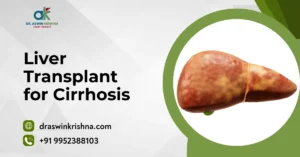
Patients with fatty liver disease, hepatitis, cirrhosis, liver failure and other complex liver conditions can receive specialised evaluation and treatment at Apollo Hospitals, Greams Road, Chennai. With over 12+ years of clinical experience in gastroenterology, Dr. Aswin Krishna develops personalised treatment plans based on each patient’s diagnosis, liver function and overall health.
Who is a Hepatologist?
A hepatologist is a medical professional specializing in the diagnosis, treatment, and management of diseases related to the liver, gallbladder, and bile ducts. These specialists are trained to handle various liver conditions, including hepatitis, cirrhosis, liver cancer, and other disorders that affect liver function. Hepatologists treat a wide range of conditions, such as:
- Hepatitis
- Cirrhosis
- Liver Cancer
- Autoimmune Liver Diseases
- Fatty Liver Disease
- Gallbladder and Bile Duct Disorders
These specialists also work closely with patients who need liver transplants or are managing chronic liver conditions, offering personalized care and advanced treatment options.

Liver Specialist in Greams Road
Aswin Krishna
- Qualifications: MBBS, MD, DM (Gastroenterology)
- Experience: Over 12+ years in hepatology and liver transplant care
Dr. Aswin Krishna is a Hepatologist in Greams Road with 12+ years of experience in managing complex liver diseases, including hepatitis, cirrhosis, and liver cancer. He is known for accurate diagnosis and effective treatment, helping patients achieve better long-term liver health. He provides consultations at Apollo Hospital, a leading healthcare center equipped with advanced medical technology and comprehensive, multidisciplinary liver care services.

With extensive experience in advanced liver care, Dr. Aswin Krishna has treated 10,000+ patients with fatty liver disease and managed 1,000+ cases of liver cirrhosis. His expertise also extends to liver transplant care, supporting patients through pre-transplant evaluation, clinical management, and post-transplant follow-up.
He also practices at the Dr. Aswin Krishna Liver Clinic, where he provides personalized liver care using modern diagnostic tools and treatment methods. His patient-focused approach ensures effective management of both chronic and advanced liver conditions, making him a trusted liver specialist.
Clinic Location & Opening Hours
- Apollo Hospitals, Greams Road: 9 AM – 1 PM
- Aswin’s Liver Care Clinic: 5 PM – 8 PM
Common Conditions Treated by a Hepatologist
Hepatologists specialize in managing a variety of liver-related conditions, ranging from chronic infections to complex liver diseases. They use advanced diagnostic methods and treatment strategies to improve liver function and help patients live healthier lives. Below are some of the most common conditions treated by a hepatologist:
- Viral Hepatitis: Viral hepatitis, including Hepatitis A, B, and C, is one of the most prevalent liver diseases worldwide. Hepatologists diagnose and manage these infections by providing antiviral treatments, which help reduce liver inflammation and minimize long-term damage to liver cells.
- Liver Cirrhosis: Liver cirrhosis is a condition where healthy liver tissue is replaced by scar tissue due to prolonged liver damage, often caused by excessive alcohol use or chronic hepatitis. Hepatologists focus on halting the progression of cirrhosis, managing its complications, and improving the patient’s liver function through medication, lifestyle changes, and monitoring.
- Liver Cancer: Liver cancer, or hepatocellular carcinoma, typically occurs in patients with a history of liver disease, such as cirrhosis or viral hepatitis. Hepatologists play a vital role in detecting liver cancer early, staging the disease, and recommending treatments such as surgery, chemotherapy, or liver transplantation.
- Autoimmune Liver Disorders: In autoimmune liver diseases like autoimmune hepatitis, the body’s immune system mistakenly attacks the liver, causing inflammation. Hepatologists help manage these conditions by prescribing immunosuppressive medications that reduce liver damage and help control symptoms, ensuring the patient’s liver health remains stable.
- Metabolic and Genetic Liver Disorders: Disorders such as hemochromatosis and Wilson’s disease cause the accumulation of metals like iron and copper in the liver. Hepatologists diagnose these conditions through genetic and blood tests, and manage them with medication to reduce metal buildup and prevent further liver damage.
- Bile Duct and Gallbladder Disorders: Hepatologists also treat conditions that affect the bile ducts and gallbladder, such as gallstones or bile duct obstructions. Treatment options range from non-invasive procedures, like medication, to surgical interventions to remove blockages or the gallbladder itself.
- Acute Liver Failure: Acute liver failure is a rare but severe condition where the liver suddenly loses its ability to function. This is a critical condition that demands prompt medical attention. Hepatologists provide urgent care, including monitoring liver function, administering treatments, and evaluating the need for a liver transplant.
- Complications Arising from Liver Diseases: Chronic liver diseases often lead to complications like portal hypertension (high blood pressure in the liver) or liver encephalopathy (brain dysfunction). Hepatologists manage these complications by using medications, lifestyle changes, and monitoring to prevent further organ damage and maintain overall health.
| Category | Condition | Key Management Approach |
|---|---|---|
| Infectious Liver Diseases | Viral Hepatitis (A, B, C) | Antiviral therapy, liver monitoring, complication prevention |
| Chronic Liver Damage | Liver Cirrhosis | Slowing progression, lifestyle changes, managing complications |
| Liver Malignancy | Liver Cancer (HCC) | Early diagnosis, surgery, chemotherapy, transplant evaluation |
| Immune-related Disorders | Autoimmune Hepatitis | Immunosuppressive drugs, long-term monitoring |
| Genetic & Metabolic Disorders | Wilson’s disease, Hemochromatosis | Metal-reducing therapy, genetic testing, regular follow-up |
| Biliary System Disorders | Gallstones, bile duct obstruction | Medications, ERCP procedures, surgical intervention if needed |
| Emergency Liver Conditions | Acute Liver Failure | ICU care, stabilisation, liver transplant evaluation |
| Liver Disease Complications | Portal hypertension, encephalopathy | Symptom control, medications, dietary management |
When to See a Hepatologist
Liver conditions can develop quietly and may only be found during routine blood tests or scans. A specialist evaluation is recommended when the following symptoms or test results appear.
Persistent Jaundice
- Yellowing of the eyes or skin may occur when bilirubin builds up in the blood. It can also be accompanied by dark urine, pale stools, itching, fever, or abdominal pain.
- Jaundice with severe pain, vomiting, confusion, or excessive sleepiness requires urgent medical attention.
Abnormal Liver Function Tests
- Raised ALT, AST, GGT, alkaline phosphatase, or bilirubin levels may indicate fatty liver, hepatitis, medicine-related injury, alcohol-related damage, or bile duct problems.
- A hepatologist may review medicines, supplements, alcohol intake, metabolic health, and previous infections before recommending further tests.
Fatty Liver Found on Ultrasound
- Fatty liver is commonly detected during a routine ultrasound and may not cause symptoms. It is more common in people with diabetes, obesity, high cholesterol, or regular alcohol intake.
- Further assessment may be needed to check for liver inflammation or fibrosis. Weight control, exercise, balanced nutrition, and management of diabetes or cholesterol may help improve early fatty liver changes.
Swelling in the Abdomen or Legs
- Fluid buildup in the abdomen, known as ascites, can cause increasing abdominal size and discomfort. Liver disease may also cause swelling in the feet, ankles, or legs.
- These symptoms require medical evaluation, especially when accompanied by breathlessness, reduced appetite, or rapid weight gain.
Unexplained Weight Loss
- Unintentional weight loss may be linked to chronic liver disease, infection, poor nutrition, or another digestive condition.
- It becomes more concerning when associated with jaundice, weakness, fever, abdominal swelling, persistent pain, or loss of appetite.
Vomiting Blood or Black Stools
- Vomiting blood or passing black, tar-like stools may indicate internal bleeding. In patients with cirrhosis, enlarged veins in the food pipe or stomach may rupture.
- This is a medical emergency and requires immediate hospital treatment.
Confusion or Excessive Sleepiness
- Advanced liver disease can affect brain function, causing forgetfulness, irritability, disorientation, disturbed sleep, or unusual drowsiness.
- New or worsening confusion, particularly with jaundice or abdominal swelling, needs urgent evaluation.
Long-Term Hepatitis B or C
- Chronic hepatitis B or C may remain silent for years while gradually causing fibrosis, cirrhosis, liver failure, or liver cancer.
- Regular monitoring helps assess liver damage, determine the need for antiviral treatment, and plan liver cancer screening.
Persistent Right Upper Abdominal Pain
- Ongoing pain in the upper-right abdomen may be associated with gallstones, gallbladder inflammation, hepatitis, bile duct blockage, fatty liver enlargement, or other digestive problems.
- Pain after oily food, pain spreading to the shoulder or back, fever, vomiting, or jaundice should be evaluated without delay.
Comprehensive Diagnosis and Treatment Options
Comprehensive Diagnosis
- Initial Assessment and Clinical Evaluation: When you visit a hepatologist like Dr. Aswin Krishna, the first step is a comprehensive evaluation of your symptoms, medical history, and lifestyle factors. This helps the doctor understand the severity of your condition and tailor a treatment plan specific to your needs, ensuring a more accurate diagnosis.
- Blood Tests for Liver Function: Blood tests are a crucial tool for detecting liver damage and assessing liver function. These tests measure levels of liver enzymes, bilirubin, and other markers that indicate liver health. They also help track the effectiveness of ongoing treatment, ensuring that the liver is responding well to therapy.
- Imaging Techniques for Hepatic Evaluation: To diagnose liver diseases and assess liver health, hepatologists rely on imaging techniques such as ultrasound, CT scans, and MRIs. These scans provide detailed images of the liver, helping to detect abnormalities like tumors, cysts, fatty liver, or liver scarring, aiding in an accurate diagnosis.
- Non-Invasive Liver Stiffness Measurement: Non-invasive liver stiffness measurement uses specialized equipment to measure the rigidity of the liver. It is an important test for detecting conditions like liver fibrosis or cirrhosis. By assessing liver stiffness, hepatologists can determine the extent of liver damage without the need for invasive procedures.
- Liver Biopsy for Detailed Diagnosis: In certain cases, a liver biopsy may be performed to obtain a tissue sample from the liver for further analysis. This procedure is used to diagnose liver diseases at a microscopic level, identifying conditions like cirrhosis, liver cancer, or autoimmune liver disorders that may not be detectable through other tests.
- Endoscopic Procedures for Hepatic Complications: Endoscopic procedures, such as endoscopic variceal ligation, are used to treat complications that arise from liver diseases, particularly cirrhosis. These procedures involve using a small camera to visualize the liver and surrounding areas, allowing for the removal or treatment of issues like varices (enlarged blood vessels) that can lead to dangerous bleeding.
- Viral Hepatitis Testing and Diagnosis: Hepatologists are experts in diagnosing various forms of viral hepatitis, including Hepatitis A, B, and C, through specialized blood tests. These tests detect viral infections and measure the level of liver damage, guiding treatment decisions such as antiviral medications and vaccination plans for prevention.
- Genetic and Metabolic Disorder Screening: For liver diseases that have a genetic or metabolic component, hepatologists may recommend genetic screening. Conditions like hemochromatosis and Wilson’s disease involve abnormal accumulation of metals in the liver. By identifying these disorders early, doctors can provide targeted treatments to prevent further liver damage.
Treatment Options
- Antiviral Treatments: For viral hepatitis, hepatologists often prescribe antiviral medications to control the infection and prevent liver damage. These medications work by reducing the replication of the virus in the liver, thus minimizing inflammation and preventing the progression to more severe liver diseases like cirrhosis or liver cancer.
- Liver Transplantation: In cases of end-stage liver disease or liver failure, a liver transplant may become necessary. Hepatologists evaluate the patient’s condition to determine if a transplant is the best option, which involves replacing the diseased liver with a healthy one from a donor to restore normal liver function and save the patient’s life.
- Medications and Therapy: Hepatologists prescribe various medications to manage liver inflammation, suppress the immune system in autoimmune liver diseases, or address metabolic disorders like hemochromatosis. These therapies help to slow the progression of liver damage, manage symptoms, and maintain liver function.
- Non-Surgical Options: Many liver conditions can be effectively managed without surgery. Non-surgical treatments typically include medications to control the disease, lifestyle changes like improved diet and exercise, and regular monitoring through tests and scans to assess liver function and prevent disease progression.
- Surgical Interventions: For certain liver conditions, such as liver cancer, bile duct obstructions, or severe gallbladder issues, surgery may be necessary. Surgical options may include liver resection (removal of part of the liver), bile duct surgery, or a liver transplant, depending on the severity of the condition.
Why Choose Dr. Aswin Krishna as Your Hepatologist
Accurate diagnosis plays an important role in managing liver conditions effectively. Dr. Aswin Krishna evaluates symptoms, medical history, liver function tests and imaging findings to identify the underlying cause. His approach combines advanced medical care with clear guidance and personalised treatment planning for each patient.
- 12+ Years of Clinical Experience: Experience in evaluating chronic, metabolic, infectious and advanced liver diseases supports structured diagnosis and long-term monitoring.
- Expertise in Hepatology and Gastroenterology: Training in gastroenterology allows digestive symptoms, liver abnormalities and related complications to be evaluated together.
- Management of Complex Liver Conditions: Care includes cirrhosis complications, acute liver failure, viral hepatitis, liver cancer surveillance and transplant evaluation.
- Multidisciplinary Care at Greams Road: Patients requiring advanced treatment can be coordinated with radiology, critical care, oncology, surgery and transplantation teams.
- Personalised Treatment Planning: Recommendations are based on diagnosis, liver function, disease stage, medical history and the patient’s overall health.
Preventing Liver Disease: Tips and Recommendations
Maintaining good liver health is essential for overall well-being, and healthy lifestyle habits can play an important role in preventing liver problems. Regular medical check-ups support early detection, timely guidance, and appropriate liver disease treatment when needed, helping protect long-term liver health.
- Achieve and Maintain a Healthy Weight: Maintaining a healthy weight reduces fat buildup in the liver and lowers the risk of fatty liver disease. It also helps prevent inflammation and long-term liver damage.
- Adopt a Well-Balanced Diet: A balanced diet provides essential nutrients that support liver function and overall health. It also helps prevent fat accumulation and reduces the risk of liver disease.
- Incorporate Healthy Fats into Your Diet: Healthy fats support proper liver function and help reduce inflammation in the body. They also improve cholesterol balance and overall metabolic health.
- Engage in Regular Physical Activity: Regular exercise helps burn excess fat and improves liver function. It also boosts blood circulation and supports overall metabolic balance.
- Limit Alcohol Consumption: Reducing alcohol intake helps prevent liver cell damage and serious conditions like cirrhosis. It is one of the most important steps for maintaining liver health.
- Preventing Liver Infections and Toxic Exposure: Protecting the liver from infections and toxins helps reduce the risk of long-term liver diseases. Preventive measures are essential for maintaining healthy liver function.
- Vaccination and Immunization: Vaccination protects against hepatitis A and B infections that can cause severe liver damage. It helps prevent both acute and chronic liver diseases.
- Practice Proper Hygiene: Good hygiene reduces the risk of infections that can affect liver health. It helps prevent diseases like hepatitis A and E caused by contaminated food or water.
- Safe Medication Usage: Taking medicines correctly prevents unnecessary stress on the liver. Overuse or misuse of drugs can lead to serious liver toxicity.
- Minimize Exposure to Harmful Toxins: Avoiding harmful chemicals and pollutants helps protect liver cells from damage. Long-term exposure can lead to chronic liver disorders.
- Safe Sexual Practices: Safe sexual practices help prevent transmission of hepatitis B and C viruses. These infections can lead to serious and long-term liver damage if untreated.
Conclusion
Choosing the right specialist is important for the accurate diagnosis and long-term management of liver conditions. Dr. Aswin Krishna has experience in treating a wide range of liver diseases, from common digestive concerns to complex chronic conditions. His approach to Advanced Liver Care combines careful evaluation, personalised treatment, and ongoing guidance to support better long-term health outcomes.
Read more: Early Signs of Digestive Disorders