Alcohol related liver cirrhosis is a serious condition that develops when long term alcohol use damages healthy liver tissue. The liver slowly becomes scarred and loses its ability to perform important functions such as filtering toxins, digesting food, storing energy, and balancing nutrients in the body. Many people ignore early warning signs because symptoms may appear slowly over time. Understanding the symptoms early can help prevent severe complications and improve overall health. This guide explains the major symptoms, causes, complications, prevention tips, lifestyle changes, and treatment options in a simple and practical way.
What is Alcohol Related Liver Cirrhosis?
Liver cirrhosis happens when repeated alcohol exposure injures liver cells. The body attempts to repair the damage, but scar tissue forms during healing. Over time, scar tissue replaces healthy liver tissue and blocks normal blood flow through the liver. This reduces liver function and affects multiple organs in the body.
Alcohol-related cirrhosis usually develops after years of heavy drinking, although the amount of alcohol required differs from person to person. Genetics, nutrition, obesity, infections, and other health conditions can increase the risk. Some people may experience severe liver damage even with moderate alcohol intake, while others may take longer to develop symptoms.
Early Symptoms of Liver Cirrhosis from Alcohol
The early stage of cirrhosis can be difficult to identify because symptoms may be mild or mistaken for common health problems. However, paying attention to these warning signs is important.
- Constant Fatigue: Extreme tiredness is one of the most common symptoms. People may feel exhausted even after enough sleep. The liver struggles to remove toxins from the body, leading to low energy levels and mental exhaustion. Daily activities may become difficult, and concentration may reduce over time.
- Loss of Appetite: People with alcohol-related cirrhosis often lose interest in food. They may feel full quickly or experience nausea after eating. Poor digestion and liver dysfunction affect metabolism, causing reduced hunger and unintentional weight loss.
- Nausea and Vomiting: A damaged liver cannot process toxins properly. This may lead to stomach discomfort, nausea, bloating, and vomiting. Some people also develop sensitivity to oily or heavy foods.
- Mild Abdominal Pain: Pain or discomfort on the upper right side of the abdomen can occur when the liver becomes inflamed or enlarged. The discomfort may feel dull, heavy, or persistent.
- Weakness and Muscle Loss: Muscles may gradually become weaker because the liver cannot store and process nutrients efficiently. Protein deficiency and poor nutrition contribute to muscle wasting and reduced physical strength.

Why Alcohol Damages the Liver
The liver breaks down alcohol and removes toxins from the body. Heavy drinking forces the liver to work harder, leading to inflammation and cell injury. Over time, repeated damage creates permanent scars.
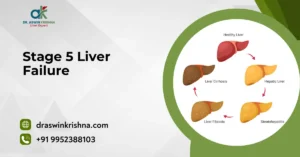
Alcohol-related liver disease usually develops in stages:
- Fatty liver
- Alcoholic hepatitis
- Liver cirrhosis
Fatty liver may improve if alcohol intake stops early. However, cirrhosis is often permanent and may continue worsening without treatment.
Risk Factors for Alcoholic Liver Cirrhosis
Several factors increase the risk of developing cirrhosis from alcohol.
- Heavy Drinking Over Time: Regular excessive drinking remains the biggest risk factor. Daily alcohol use for many years increases liver damage significantly.
- Poor Diet: Nutritional deficiencies weaken the liver and reduce its ability to repair damaged tissue.
- Obesity: Excess body fat increases inflammation and places additional stress on the liver.
- Viral Hepatitis: People with hepatitis B or hepatitis C face a much higher risk of severe liver disease if they consume alcohol.
- Family History: Genetics may affect how the body processes alcohol and responds to liver injury.
Complications of Alcohol Related Cirrhosis
Ignoring symptoms can lead to life-threatening complications.
- Portal Hypertension: Scar tissue blocks blood flow through the liver, increasing pressure in nearby veins. This condition can cause enlarged veins in the esophagus and stomach, known as varices.
- Internal Bleeding: Varices may rupture and bleed heavily. Vomiting blood or passing black stools requires emergency medical care.
- Liver Failure: When the liver loses most of its function, the body cannot survive without advanced treatment or transplantation.
- Kidney Problems: Advanced cirrhosis may affect kidney function and reduce the body’s ability to remove waste.
- Increased Infection Risk: A weakened liver lowers immunity, making infections more common and severe.
- Liver Cancer: People with cirrhosis face a higher risk of developing liver cancer, especially if alcohol use continues.
How Doctors Diagnose Liver Cirrhosis
Doctors use several methods to confirm liver cirrhosis and evaluate liver health.
- Physical Examination: Doctors check for swelling, jaundice, abdominal fluid, and skin changes.
- Blood Tests: Blood tests measure liver enzymes, bilirubin levels, protein production, and clotting ability.
- Imaging Tests: Ultrasound, CT scans, or MRI scans help identify liver scarring and fluid buildup.
- Liver Biopsy: In some cases, doctors remove a small liver tissue sample to confirm cirrhosis severity.
Treatment Options for Alcoholic Liver Cirrhosis
Treatment aims to prevent additional damage; while managing existing complications.
- Stopping Alcohol Completely: Completely avoiding alcohol is the most crucial step in protecting your health and preventing further alcohol-related damage. Continued drinking speeds up liver failure and increases complications. Many people benefit from counseling, rehabilitation programs, or support groups during recovery.
- Healthy Nutrition: A balanced diet supports liver function and prevents muscle loss. Doctors often recommend foods rich in protein, vitamins, fruits, vegetables, and whole grains.
- Medications: Doctors may prescribe medicines to reduce fluid buildup, prevent infections, improve digestion, or manage mental confusion.
- Exercise and Physical Activity: Regular movement helps improve muscle strength, circulation, and energy levels. Light walking and stretching may support recovery.
- Liver Transplant: In severe cases, liver transplantation may become necessary. Candidates usually need long-term alcohol abstinence before surgery.
Lifestyle Changes that Support Liver Health
Simple daily habits can improve quality of life and protect the liver.
- Stay Hydrated: Drinking enough water supports digestion and toxin removal.
- Avoid Smoking: Smoking increases inflammation and worsens overall health.
- Limit Processed Foods: Highly processed foods, sugary drinks, and excess salt may worsen swelling and liver stress.
- Get Enough Sleep: Proper rest supports healing and improves mental clarity.
- Follow Medical Advice: Regular medical checkups allow healthcare providers to assess liver health, helping identify complications before they become serious.
Mental and Emotional Impact of Cirrhosis
- Living with liver cirrhosis can affect emotional health.
- Many people experience anxiety, guilt, stress, or depression related to alcohol use and physical symptoms.
- Family support, counseling, and healthy routines can improve emotional well-being.
- Focusing on long-term health goals can make recovery more manageable; encouraging progress through positive motivation rather than fear or shame.
Signs that Need Immediate Medical Attention
Certain symptoms linked to alcohol-related liver cirrhosis can become life-threatening if ignored. Immediate medical care is important because these warning signs may indicate severe liver failure, internal bleeding, infection, or dangerous toxin buildup in the body.
- Vomiting Blood: Vomiting blood or dark coffee-ground-like material may indicate internal bleeding from swollen veins in the stomach or food pipe. Immediate emergency treatment is necessary.
- Severe Confusion: Sudden confusion, memory loss, slurred speech, or strange behavior can happen when toxins affect the brain. This condition may quickly become life-threatening.
- Difficulty Breathing: Shortness of breath may develop due to fluid buildup or severe infection linked to advanced liver damage. Sudden breathing problems need urgent medical care.
- High Fever: A high fever may signal a serious infection because liver cirrhosis weakens the immune system. Infections can spread rapidly without treatment.
- Black or Bloody Stools: Black, tarry stools or visible blood during bowel movements often suggest dangerous internal bleeding in the digestive tract.
- Severe Yellowing of the Skin: Intense yellowing of the skin and eyes may indicate worsening liver failure and dangerously high bilirubin levels in the body.
Ignoring these symptoms can quickly become dangerous. Seeking immediate medical attention may help prevent life-threatening complications and improve recovery outcomes.
Prevention Tips for Alcohol Related Cirrhosis
Preventing liver cirrhosis is simpler than managing the condition in its advanced stages.
- Avoid excessive alcohol consumption
- Maintain a healthy weight
- Eat nutritious foods
- Exercise regularly
- Get vaccinated against hepatitis
- Avoid mixing alcohol with harmful medications
- Schedule regular health checkups
These habits support liver health and reduce disease risk.
Best Foods for Liver Support
Certain healthy foods may naturally support liver function, reduce inflammation, and improve overall wellness. A balanced diet can help the liver process toxins more efficiently and maintain better energy levels.
- Leafy Green Vegetables: Spinach, kale, and other leafy greens contain antioxidants and chlorophyll that may help remove harmful toxins from the body and support liver cleansing.
- Berries: Blueberries, strawberries, and cranberries are rich in antioxidants that help protect liver cells from damage caused by inflammation and oxidative stress.
- Oats: Oats contain fiber and beneficial nutrients that support digestion, improve metabolism, and help reduce excess fat buildup in the liver.
- Garlic: Garlic contains natural compounds that may help activate liver enzymes responsible for flushing out toxins from the body.
- Nuts: Almonds and walnuts provide healthy fats, vitamin E, and antioxidants that support liver health and reduce inflammation.
- Olive Oil: Olive oil contains healthy fats that may help lower fat accumulation in the liver and improve overall liver function when used in moderation.
- Fresh Fruits: Apples, oranges, grapes, and other fruits provide vitamins, minerals, and antioxidants that help strengthen immunity and protect liver cells.
These nutrient-rich foods may help support immunity, reduce inflammation, and promote healthier liver function when combined with a balanced lifestyle.
Common Myths About Liver Cirrhosis
Myth 1: Only Heavy Drinkers Get Cirrhosis
Even moderate alcohol use may cause liver damage in some individuals depending on genetics and overall health.
Myth 2: Symptoms Appear Immediately
Liver disease often develops silently over several years before noticeable symptoms appear.
Myth 3: Young People are Safe
Liver damage can affect people at any age; particularly due to binge drinking and unhealthy lifestyle habits.
Myth 4: Stopping Alcohol is Useless After Diagnosis
Quitting alcohol still improves survival rates and reduces complications significantly.
Myth 5: Herbal Remedies can Cure Cirrhosis
No herbal remedy can fully reverse cirrhosis.Medical care and healthy lifestyle modifications remain important.
Conclusion
Symptoms of liver cirrhosis from alcohol can begin quietly but become dangerous when ignored. Fatigue, swelling, jaundice, confusion, and digestive issues are major warning signs that require medical attention. Early diagnosis, complete alcohol avoidance, proper nutrition, exercise, and regular medical care can help improve quality of life and reduce severe complications. Understanding these symptoms and taking action early is one of the best ways to protect long-term liver health.