

Hepatitis C is a silent threat that affects millions worldwide. Comprehending the gravity of this potentially devastating disease is essential for effective prevention and treatment. In this comprehensive guide, we will delve into the nuances of Hepatitis C, shedding light on its causes, symptoms, available treatments, and the importance of support for those diagnosed with this condition. For those seeking the best hepatitis C treatment in Chennai, this guide aims to provide valuable insights and resources.
What is Hepatitis C?
Hepatitis C is a viral infection that primarily affects the liver, leading to inflammation and, in severe cases, liver damage. It’s caused by the Hepatitis C virus (HCV) and can range from a mild illness lasting a few weeks to a serious, lifelong condition. For those dealing with this condition, seeking Hepatitis C treatment in Chennai is crucial for managing and potentially curing the infection.
How is Hepatitis C Transmitted?
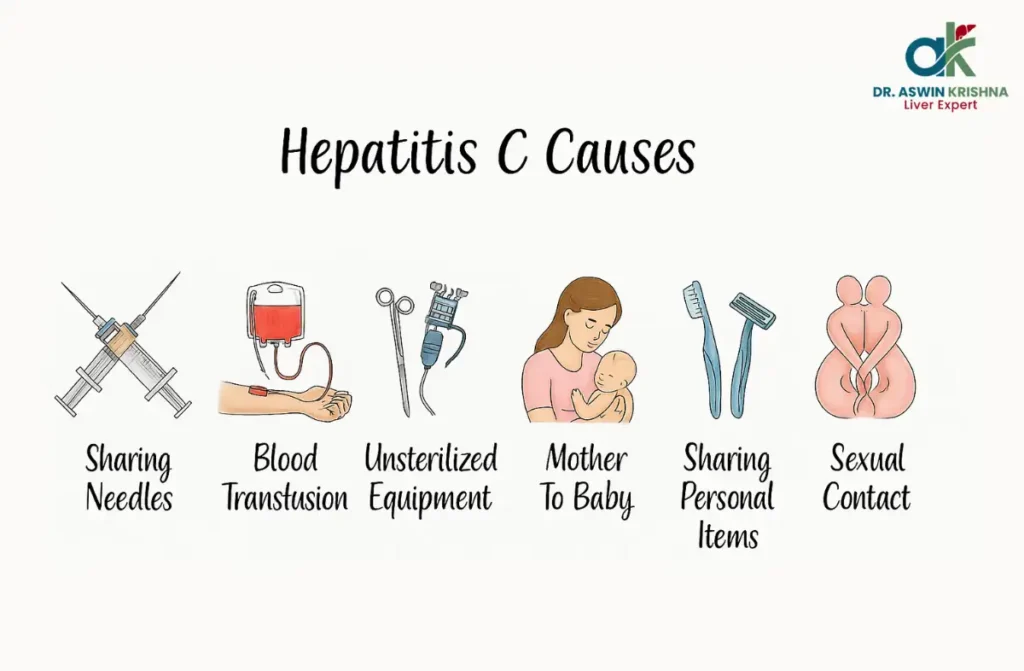
Hepatitis C is predominantly transmitted through contact with infected blood. This can occur through:
- Sharing needles or other drug-injecting equipment.
- Receiving a blood transfusion or organ transplant before 1992, when blood screening became standard.
- Being born to a mother carrying Hepatitis C.
- Less commonly, through unprotected sex, especially if there are other sexually transmitted infections present.
- Unsafe medical practices, such as improper sterilization of medical equipment.
Types of Hepatitis C Infection
Hepatitis infections are classified based on how long the virus remains in the body, including both Hepatitis B and Hepatitis C:
- Acute Hepatitis C: A short-term infection that occurs within the first six months after exposure. Some people may clear the virus on their own without treatment.
- Chronic Hepatitis C: When the infection persists for more than six months, it is considered chronic, potentially leading to long-term liver damage such as liver cirrhosis or liver cancer.
Knowing the type of infection helps doctors determine the best treatment for hepatitis C in Chennai for each patient.
Symptoms
- Persistent Fatigue and Weakness: Many patients with Hepatitis C experience constant tiredness that doesn’t improve with rest. Even simple daily activities can feel exhausting, as the liver’s reduced function affects overall energy levels.
- Yellowing of Skin and Eyes (Jaundice): Jaundice causes a noticeable yellowing of the skin and eyes due to excess bilirubin in the body. It is a clear sign that the liver is not processing waste effectively and requires medical attention.
- Abdominal Pain and Digestive Discomfort: Pain or discomfort in the upper right abdomen is common, as this is where the liver is located. It may be accompanied by bloating, nausea, or loss of appetite, making digestion uncomfortable.
- Dark Urine and Pale Stools: Dark-colored urine and light or clay-colored stools can indicate liver dysfunction. These changes occur due to issues in bile flow and are often early warning signs that shouldn’t be ignored.
- Confusion and Cognitive Changes: In advanced stages, toxin buildup can affect brain function, leading to confusion or poor concentration. Patients may feel mentally unclear or forgetful, signaling serious liver-related complications.
Risk factors
- Sharing needles or injection equipment remains the strongest risk factor. Transmission occurs when microscopic blood on syringes, cookers, filters, or water enters another person’s bloodstream. Harm-reduction services and rapid linkage to hepatitis C treatment in Chennai reduce ongoing risk.
- Transfusions or organ transplants before robust screening, hemodialysis, and needlestick injuries in healthcare settings increase exposure. Non-sterile medical or dental procedures also pose risk when infection-control practices lapse. Recognizing these exposures enables targeted screening and timely hepatitis C treatment in Chennai.
- Tattoos or piercings performed with inadequately sterilized tools can transmit infection. Informal or home settings are especially risky if single-use needles and proper autoclaving are not guaranteed. Choosing licensed providers who follow stringent sterilization protocols is protective.
- Sexual transmission is less common but higher with HIV, traumatic practices, or genital ulcers. Household transmission can occur through shared razors, nail clippers, or toothbrushes contaminated with blood. People who have been incarcerated, or who use intranasal drugs and share straws, also warrant testing.
Diagnosis
- Initial screening uses an anti-HCV antibody test. A positive result indicates past exposure but does not confirm active infection. Confirmatory HCV RNA testing determines current viremia and guides linkage to hepatitis C treatment in Chennai.
- Where available, HCV core antigen testing is an alternative when RNA assays are limited. Reflex testing pathways—automatically running RNA after a positive antibody—reduce missed follow-up. Access to reliable hepatitis C tests in Chennai streamlines this process.
- Baseline evaluation includes liver enzymes, complete blood count, and non-invasive fibrosis staging with elastography (FibroScan) or serum indices (APRI, FIB-4). Abdominal ultrasound screens for structural disease, and patients with advanced fibrosis require hepatocellular carcinoma surveillance. Consultation with the best doctor for hepatitis c treatment in Chennai ensures appropriate staging and care.
- Co-infection screening for HIV and hepatitis B, medication review for interactions, and vaccination for hepatitis A and B are standard. Pangenotypic therapies have minimized the need for genotype testing, but clinical nuances still matter. Well-organized pathways for hepatitis C tests in Chennai support same-day diagnosis and faster cure, improving outcomes with hepatitis C treatment.
Treatment
- Modern direct-acting antivirals (DAAs) cure more than 95% of patients within 8–12 weeks. Regimens such as sofosbuvir/velpatasvir or glecaprevir/pibrentasvir are pangenotypic, well tolerated, and pill-based. Choosing the best treatment for hepatitis c in Chennai involves tailoring duration and monitoring to fibrosis stage and co-morbidities.
- Pre-treatment checks include drug–drug interaction review, renal function, and pregnancy considerations. Most non-cirrhotic, treatment-naïve adults complete therapy in eight to twelve weeks and return for sustained virologic response testing at twelve weeks post-therapy. Collaboration with the best doctor for hepatitis c optimizes adherence and outcomes.
- Practical planning addresses affordability and access. Programs that disclose the hepatitis C treatment cost in Chennai, and clarify the cost of hepatitis C treatment in Chennai under insurance or assistance schemes, help patients stay on therapy. Clear counseling reduces missed doses and prevents reinfection.
- Multidisciplinary clinics coordinate addiction medicine, mental health, and hepatology. This integrated approach supports the best treatment for hepatitis c in Chennai while minimizing barriers. Rapid initiation, friendly follow-ups, and reminders ensure more people complete hepatitis C treatment effectively and safely.
Complications
- Untreated infection may progress to fibrosis and cirrhosis over years. Cirrhosis can decompensate, causing ascites, variceal bleeding, encephalopathy, or jaundice that requires urgent care. Early hepatitis C treatment in Chennai prevents progression for most patients.
- Chronic inflammation increases the risk of hepatocellular carcinoma, even after cure in those with advanced fibrosis. Lifelong ultrasound surveillance every six months is recommended for patients with cirrhosis. Timely detection allows curative options such as ablation or resection.
- Extrahepatic complications include cryoglobulinemic vasculitis with rashes, neuropathy, and kidney involvement. There is also elevated risk of insulin resistance, type 2 diabetes, and certain lymphomas due to immune dysregulation. Successful antiviral therapy often improves or resolves many of these manifestations.
- Advanced liver disease impacts daily life through fatigue, frailty, and medication restrictions. Hospitalizations and procedures increase financial and emotional strain for families. Preventing these outcomes through prompt hepatitis C treatment in Chennai preserves quality of life.
Things You Can Do During Treatment for Hepatitis C
Managing Hepatitis C effectively involves not just medications but also healthy daily habits. Your lifestyle choices during treatment play a key role in improving recovery and supporting liver health.
- Follow medical advice strictly: Take medications exactly as prescribed and avoid missing doses.
- Eat a balanced diet: Include fresh fruits, vegetables, lean proteins, and whole grains to support liver function.
- Avoid alcohol completely: Alcohol can worsen liver damage and reduce treatment effectiveness.
- Stay hydrated and active: Drink plenty of water and engage in light activities like walking to boost energy.
- Attend regular check-ups: Routine follow-ups help monitor progress and ensure the treatment is working effectively.
Staying consistent with these habits can significantly improve treatment outcomes and overall well-being. Small, mindful changes in your daily routine can make a big difference in your recovery journey.
Prevention
Preventing Hepatitis C is just as important as treating it. Since the virus spreads primarily through blood-to-blood contact, awareness and safe practices can significantly reduce risk.
- Avoid Sharing Injection Equipment: Never share needles, syringes, or any drug-related equipment. Even a small amount of infected blood can transmit the virus.
- Choose Safe Tattoo Practices: If you’re getting a tattoo or piercing, ensure the facility follows strict hygiene protocols. Always check that new, sterile needles are used for each client.
- Do Not Share Personal Items: Items like razors, toothbrushes, or nail clippers can carry tiny traces of blood. Sharing these increases the risk of infection.
- Practice Protected Sexual Activity: Although less common, Hepatitis C can spread through sexual contact, especially when there is exposure to blood. Using protection reduces this risk.
- Follow Healthcare Safety Measures: Always ensure that medical procedures, including injections or dental treatments, are performed using sterilized equipment. Reputable healthcare facilities in Chennai follow strict safety standards, but awareness is still important.
- Ensure Proper Blood Screening: If you require a blood transfusion, confirm that the blood has been properly screened. Modern screening methods have greatly reduced the risk, but vigilance is key.
Getting Tested for Hepatitis C
Early detection is crucial for the effective hepatitis C treatment. If you think you have been exposed to the virus, it is essential to undergo hepatitis C tests in Chennai. Testing can identify the presence of the virus even before symptoms appear, increasing your chances of successful treatment.
Some of the key tests include:
- Antibody Test: Identifies if you’ve ever been infected with HCV.
- RNA Test: Confirms if the virus is currently in your blood.
- Genotype Test: Determines the type of Hepatitis C virus to choose the best treatment plan.
Why Choose Hepatitis C Treatment in Chennai?
- Expert Care: Chennai is home to some of the best gastroenterologists and hepatologists who specialize in Hepatitis C treatment.
- Advanced Facilities: The city’s top hospitals are equipped with state-of-the-art diagnostic and treatment facilities.
- Comprehensive Care: From screening and diagnosis to treatment and follow-up, patients receive comprehensive care tailored to their needs.
Conclusion
Hepatitis C is a formidable foe, but with the right information and resources, it can be overcome. Whether you are searching for the best treatment for Hepatitis C in Chennai or simply seeking support, remember that knowledge is a powerful tool in the fight against this viral infection. Together, we can create a supportive community and raise awareness about Hepatitis C, ultimately contributing to a healthier future for all.
Read also Best Hepatologist in Chennai Apollo Hospital.


